
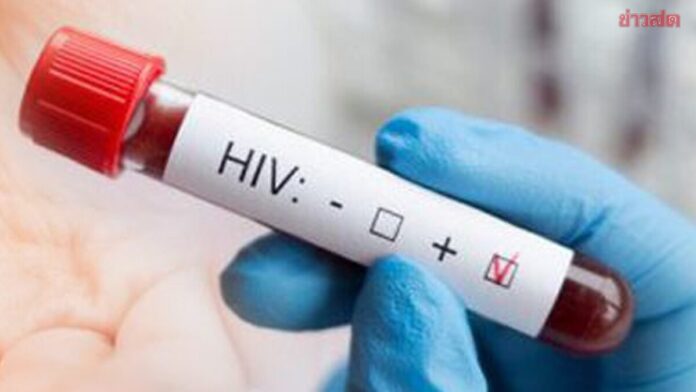
BANGKOK, Thailand – Eight to nine thousand new HIV infections every year. The number has not dropped in five to six years.
That’s way off Thailand’s target of fewer than 1,000 new cases a year. Deputy director Opass Putcharoen from the Thai Red Cross AIDS Research Centre says the 2573 deadline – 2030 in the Western calendar – is now in serious doubt.
New infections stay flat for years
Over 30 years ago, Thailand recorded roughly 170,000 new HIV infections a year. Today the figure sits between 8,000 and 9,000 – and has not budged for half a decade.
The government wants to cut new infections to under 1,000 a year by 2573. Opass Putcharoen told a press conference that goal is now hanging by a thread.
The goal of ending AIDS by 2573 is in danger.
said Opass Putcharoen, deputy director of the Thai Red Cross AIDS Research Centre.
Nearly 60,000 don’t know their HIV status
Almost 60,000 people in Thailand are living with HIV without knowing it. Late testing delays treatment and raises the risk of further spread.

Opass called for more information and easier access to tests. Many people skip free prevention services because they are embarrassed or simply do not know they exist.
Many people don’t use free prevention services because they have inhibitions or don’t know that these offers are available.
said Opass Putcharoen.
Half a million Thais living with HIV
About 500,000 people in Thailand currently live with HIV. That number includes both known and new infections – and it keeps rising because better treatment lets patients live longer and keep a good quality of life.
The cumulative total does not automatically mean the epidemic is getting worse. The real worry is that new infections are not falling despite better treatment and prevention.
Youth aged 15 to 24 at highest risk
The situation among 15 to 24-year-olds is considered critical. Knowledge about HIV and how to protect against it is still not enough in this age group.
Opass said awareness campaigns have improved compared to the past but still do not reach all teenagers. Communication needs to be more understandable and closer to their everyday lives.
Education has improved compared to the past but still doesn’t reach all young people. Communication must be more understandable and closer to their lives.
said Opass Putcharoen.
Condoms and meds are available
Thailand has condoms and effective HIV prevention drugs. The problem is access and knowledge.
Many people do not recognise their own risk or do not know they can use free prevention offers.
Sex education should be in schools
Opass believes Thailand should teach safe sex in schools. The content should be part of the curriculum so children learn early how to protect themselves.
Simply telling teenagers to abstain is not enough, he said. Politics, schools, parents and young people must work together to improve knowledge and stop new infections.
Simply telling young people to abstain from sex is not enough. Politics, schools, parents and young people must work together to improve knowledge and prevent new infections.
said Opass Putcharoen.
Communities must offer more tests
Opass recommends moving prevention and testing services into communities. Local clinics and mobile units can make access easier.
More effective measures are urgently needed. Thailand must hit its target of fewer than 1,000 new infections per year by 2573.