
BANGKOK, THAILAND – Bangkok launches a nine-point plan to tackle 1,380 tonnes of daily waste with digital tracking and registered waste pickers.
Deputy Governor Pornphrom N.S. Wikitset presented the draft plan on July 31 for fiscal years 2027 to 2030. The strategy was developed with the Thailand Circular Economy Network and PPP Plastics.
Nine measures for circular economy
The plan sets nine main areas to guide waste management from source to final disposal. It aims to cut waste volumes and shift the entire system to a circular principle.
Each measure targets a different stage of the waste chain. The city wants to reduce, reuse, and recycle more effectively.
10,000 water stations and fight against single-use plastic
Under the “Bangkok Reduce & Reuse” initiative, the city will increase public water refill stations to 10,000. It will also promote reusable container systems and repair workshops to push back single-use plastics.
Another focus is on 1,000 community waste management centres. These will process organic leftovers, produce compost, and serve as waste banks and integrated recycling points.

On Nut site becomes green eco park
The 216 rai site in On Nut will be upgraded into the “Bangkok Green Eco Park”. The area will become a green space with a learning centre and serve as a central final sorting plant.
The administration also plans to involve the private sector through a pilot project. Companies will take over separate waste collection on a daily basis. A track-and-trace system will make waste routes fully visible.
Registration for 2,000 waste pickers
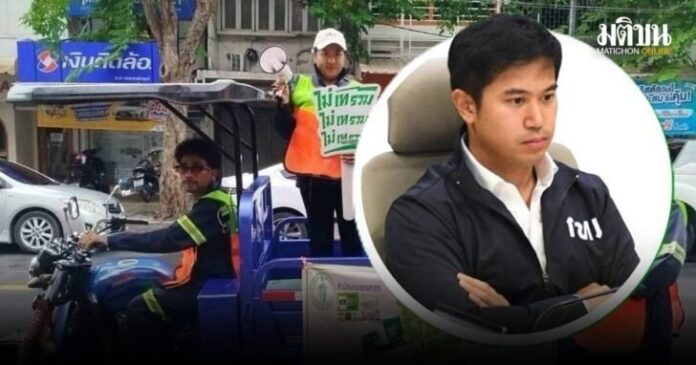
The plan calls for officially registering and training 2,000 informal waste pickers, known as “Saleng”. This brings them into a digital system for “green jobs”.
Biomass waste from branches and leaves will be turned into biochar. The end product improves soil in Bangkok’s green spaces.
Steering committee and open data planned
A new committee from city administration, civil society, and the private sector will systematically steer implementation. The plan pushes for a regulation that forces large waste producers to separate waste and creates an open data system.
The city’s environment office agreed to cooperate with all network partners. The goal is to make Bangkok a centre of circular economy.